Germany is a country that offers an incredible blend of rich history, picturesque landscapes, vibrant culture, and modern attractions. If you’re planning a trip to Germany, you’ll want to make sure your travel bucket list is packed with all the must-see places and experiences. From fairy-tale castles to bustling cities and serene countryside, Germany has something for every type of traveler. Are you ready to discover the hidden gems of Germany?
In this blog post, we’ll walk you through some of the most exciting and unique places to add to your Germany travel bucket list. Whether you’re a history buff, an adventure seeker, or a foodie, Germany will leave you enchanted and wanting more.
Table of Contents
Must-Visit Destinations for Your Germany Travel Bucket List
Neuschwanstein Castle

Located in the Bavarian Alps, Neuschwanstein Castle is one of the most iconic landmarks in Germany. This fairy-tale castle inspired Walt Disney’s Sleeping Beauty Castle and offers visitors breathtaking views of the surrounding mountains and lakes. Don’t forget to hike to Marienbrücke Bridge for the most picturesque photos!
Berlin’s Historic Sites
Berlin is a city that blends history with modern culture. A must-see is the Berlin Wall Memorial, which serves as a reminder of Germany’s divided past. Other notable sites include Brandenburg Gate, the Reichstag Building, and Museum Island.
The Romantic Road
For those who enjoy scenic road trips, the Romantic Road is a charming route through southern Germany, passing through medieval towns, castles, and vineyards. Make sure to stop in Rothenburg ob der Tauber, one of the best-preserved medieval towns in Europe.
The Black Forest
The Black Forest (Schwarzwald) is a destination that promises beautiful hiking trails, quaint villages, and folklore. It’s an ideal place for nature lovers and those who want to disconnect from the hustle and bustle of city life. You can also indulge in the region’s famous Black Forest cake and traditional spa culture.
Cologne Cathedral
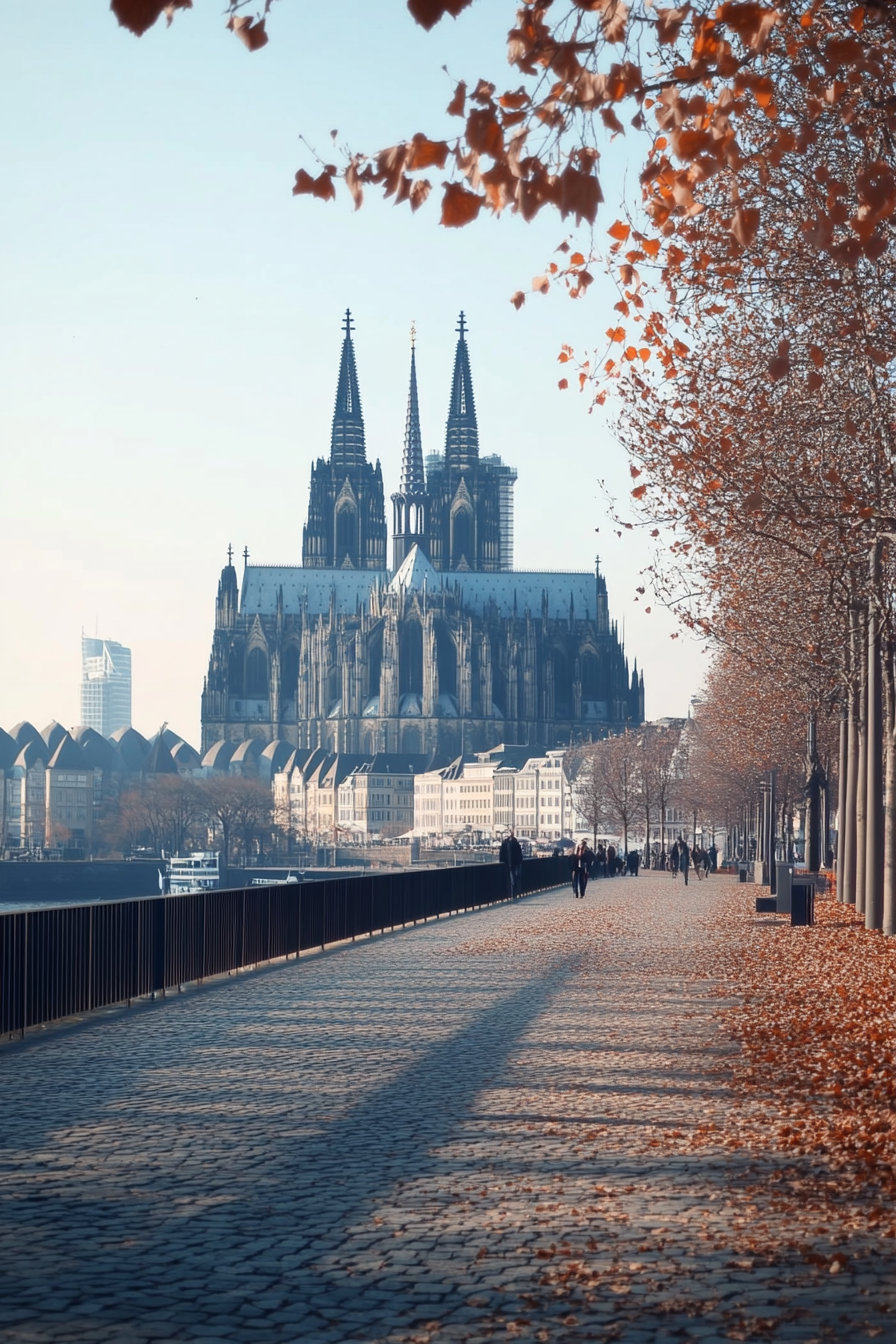
A visit to the stunning Cologne Cathedral (Kölner Dom) is a must for architecture and history enthusiasts. This Gothic masterpiece took more than 600 years to complete and is one of the tallest cathedrals in Europe. The view from the top of the tower is worth the climb!
Munich’s Oktoberfest

If you’re in Germany during the fall, you can’t miss the world-renowned Oktoberfest in Munich. Enjoy traditional Bavarian food, beer, music, and cultural festivities. Even if you can’t make it during the festival, Munich offers a plethora of attractions like the Marienplatz and the English Garden.
Dresden’s Old Town

Dresden, once known as the “Florence on the Elbe,” is home to stunning Baroque architecture, including the Zwinger Palace and the Semper Opera House. Despite heavy bombing in WWII, the city has been carefully restored, making it a fascinating blend of history and beauty.
Lake Constance

Bordering Germany, Austria, and Switzerland, Lake Constance offers an incredible lakeside experience with charming towns like Lindau and Konstanz. It’s a great spot for water sports, cycling, and exploring nature while soaking in the alpine scenery.
Frequently Asked Questions (FAQs)
1. What is the best time of year to visit Germany?
The best time to visit Germany depends on your interests. Spring (April to June) and fall (September to October) offer mild weather and fewer tourists, while summer (June to August) is great for outdoor festivals and events. Winter (November to February) is perfect for those who enjoy winter sports and the Christmas markets.
2. How many days should I spend in Germany?
A typical trip to Germany lasts about 7 to 10 days, depending on the destinations you want to visit. If you’re only focusing on one or two cities, 3 to 4 days in each city is usually sufficient.
3. Is it easy to get around Germany?
Yes! Germany has an excellent public transportation system, including trains, buses, and subways, making it easy to get around. For longer distances, you can take high-speed trains like the ICE, or rent a car to explore the countryside and small towns.
4. Do I need to speak German to travel in Germany?
While speaking German can be helpful, many Germans speak English, especially in major cities and tourist areas. You can get by with basic phrases or use translation apps for easier communication.
5. Are there any hidden gems in Germany that aren’t crowded with tourists?
Yes! Some lesser-known but equally stunning destinations include the picturesque town of Bamberg, the tranquil Saxon Switzerland National Park, and the island of Rügen, which is known for its chalk cliffs and beautiful beaches.
Conclusion
Germany is a country brimming with history, beauty, and adventure. Whether you’re interested in exploring iconic landmarks, indulging in delicious food, or immersing yourself in the country’s vibrant culture, your Germany travel bucket list should be a perfect mix of all the amazing experiences the country has to offer.
By planning your trip carefully and choosing the destinations that resonate most with your interests, you’re sure to have an unforgettable journey. From the charming towns along the Romantic Road to the bustling streets of Berlin, Germany is ready to welcome you with open arms and unforgettable memories.
Helpful Tips for Planning Your Germany Trip
- Book Accommodation in Advance: Especially during peak seasons (summer and Oktoberfest), it’s a good idea to book hotels or hostels early to secure the best rates.
- Pack for All Weather: Germany’s weather can vary, so make sure to bring layers, an umbrella, and comfortable walking shoes for exploring.
- Embrace Local Cuisine: Don’t miss out on sampling Germany’s famous sausages, pretzels, schnitzels, and regional specialties.
- Use Public Transport: Germany’s public transportation network is efficient and affordable, so consider using trains, buses, and trams to explore the country.
Let your journey through Germany begin!