
Europe is a dream destination for many travelers, offering rich history, stunning landscapes, and diverse cultures. But planning a trip to Europe can feel overwhelming, especially if it’s your first time. Where do you start? What should you pack? How can you make the most of your time? Don’t worry—we’ve got you covered!
Table of Contents
Why Travel to Europe? 

Europe offers something for every type of traveler. From the romantic streets of Paris and the historic ruins of Rome to the breathtaking fjords of Norway and the sunny beaches of Spain, the possibilities are endless. Whether you’re a foodie, history buff, or nature lover, Europe has it all.
Tips for Planning Your Trip
 Choose Your Destinations Wisely
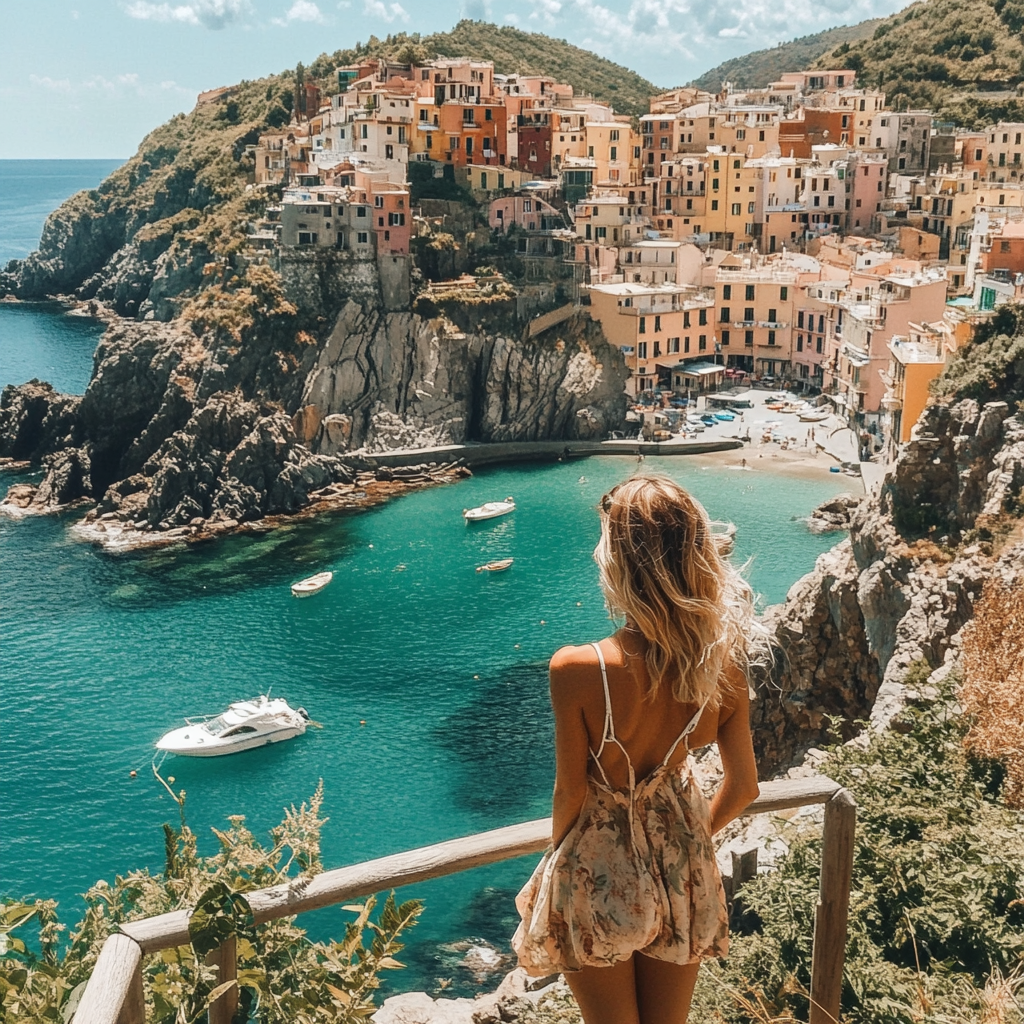
- Europe is vast, and it’s tempting to cram too many places into one trip. Focus on a few key destinations to avoid burnout and truly enjoy each location.
Understand Visa Requirements
- Depending on your nationality, you may need a visa to enter certain European countries. Check the Schengen Visa requirements and apply in advance if necessary.
Pack Smart
- Europe’s weather can vary greatly depending on the season and region. Research the climate and pack versatile clothing. Don’t forget comfortable walking shoes!
Use Public Transportation
- Europe’s public transport system is one of the best in the world. Trains, buses, and metro systems are efficient and cost-effective ways to get around.
Helpful Notes for Travelers

- Currency: The Euro is the most widely used currency, but some countries like the UK and Switzerland have their own currencies.
- Language: English is widely spoken in tourist areas, but learning a few basic phrases in the local language can go a long way.
- Tipping: Tipping customs vary. In many European countries, service charges are included, but it’s still polite to round up or leave a small tip.
- Travel Insurance: Protect yourself against unexpected events by purchasing comprehensive travel insurance.
FAQs
What’s the best time to visit Europe?
The best time to visit Europe depends on your preferences. Summer (June to August) is ideal for sunny weather and outdoor activities, while spring (March to May) and autumn (September to November) offer milder temperatures and fewer crowds. Winter is perfect for ski enthusiasts and Christmas markets.
How much should I budget for a trip to Europe?
Your budget will depend on your travel style and destinations. Western Europe tends to be more expensive, while Eastern Europe is more budget-friendly. On average, plan for around $100–$200 per day for mid-range accommodations, meals, and activities.
How can I stay connected in Europe?
Consider purchasing a local SIM card or an international roaming plan. Many European cities also offer free Wi-Fi in public areas and cafes.
Conclusion
Planning your Europe travel adventure doesn’t have to be overwhelming. With a bit of preparation and research, you can create an itinerary that suits your interests and budget. Whether you’re exploring iconic landmarks, indulging in local cuisines, or soaking up breathtaking landscapes, Europe promises an unforgettable experience.
Don’t wait—start planning your dream trip today! And remember to bookmark this guide for handy tips when you need them. Happy travels!